Introduction
Winter can be a lovely season, bringing with it snowflakes, cozy nights by the fire, and festive cheer. Nevertheless, as captivating as winter season might be, it also presents some distinct difficulties for homeowners-- particularly when it comes to maintaining your fence. Whether you're thinking about a timber paling, Colorbond, or any other type of fencing product, comprehending how winter impacts your fence is necessary to preserving its lifespan and performance. In this post, we'll dive deep into the effects of winter season on fences and share suggestions from different fencing companies in Melbourne on how finest to safeguard your investment.
How Winter Affects Your Fence and What Companies in Melbourne Recommend Doing
1. The Results of Winter on Different Fencing Materials
Timber Fencing: Susceptible to Wetness Damage
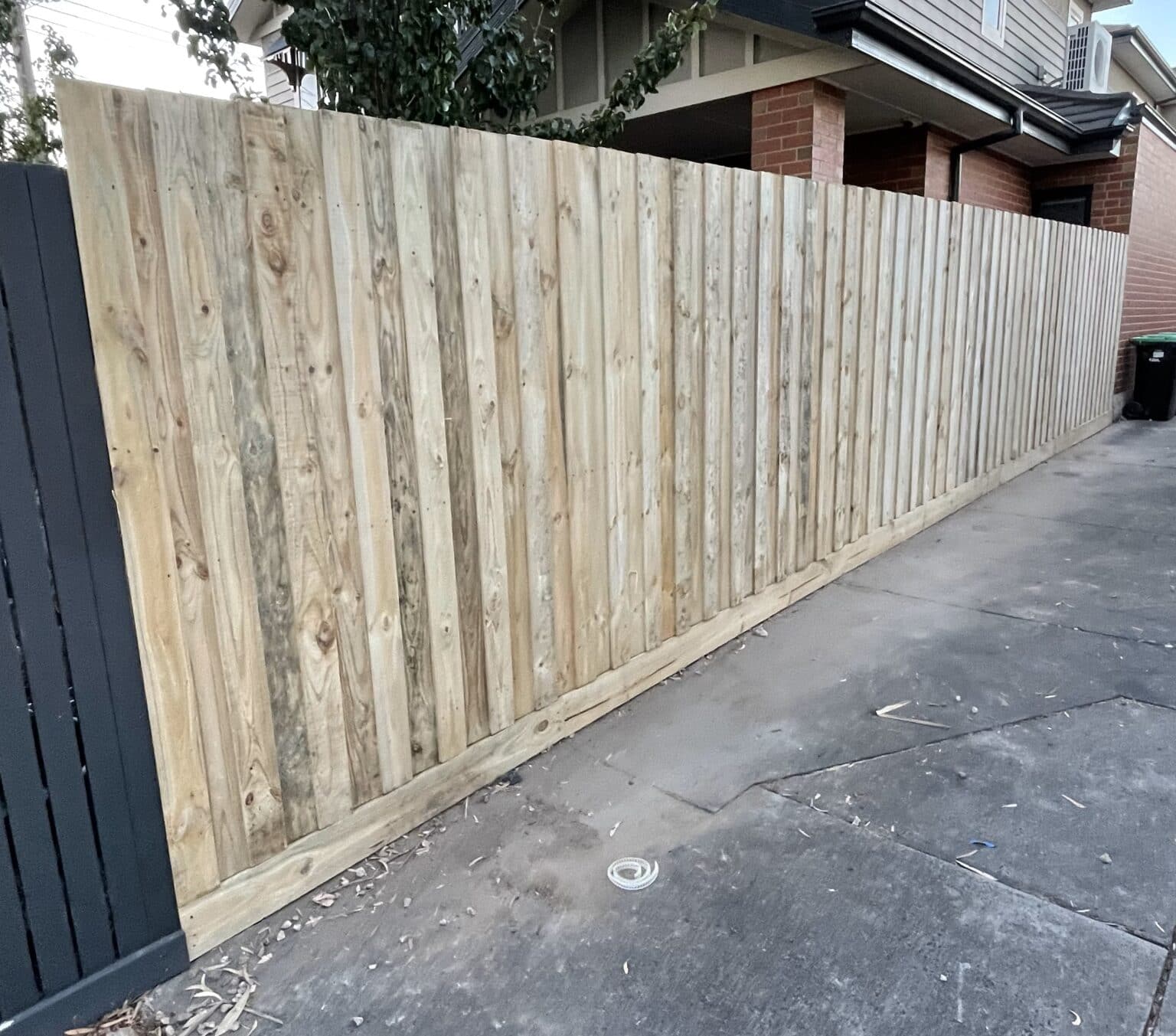
Timber paling fences are beautiful however notoriously vulnerable to moisture damage during the cold winter season. When temperature levels drop, lumber can take in water from rain or melting snow, resulting in swelling or warping. Furthermore, if wetness seeps into the wood and then freezes, it can trigger breaking and splitting.
What Can You Do?
- Regularly examine your timber fence for indications of damage. Consider applying a water resistant sealant before winter sets in.
Colorbond Fencing: Durable Yet Vulnerable
Colorbond fences are often preferred for their sturdiness; nevertheless, they too deal with obstacles during winter. One common problem is condensation accumulation between the panels which can result in rust with time.
Recommendation:
- Ensure appropriate drain around your Colorbond fencing. Clean any debris that may trap moisture versus the panels.
2. Security Concerns Throughout Winter Season Months
Increased Vulnerability Due to Hidden Damage
With winter season's chill comes longer nights and shorter days-- a best recipe for increased security concerns. Harmed fences can become easy entry points for intruders.
What Needs to You Check?
- Look out for loose panels or broken slats. Reinforce weak locations with additional support.
3. The Value of Regular Maintenance
Why Routine Checks Are Important During Winter
Routine upkeep is essential year-round but becomes a lot more important throughout winter months when fences are under stress from winter conditions.

Checklist for Winter season Upkeep:
- Inspect posts for stability. Look for indications of rot or rust. Clear any snow buildup that might strain the fence structure.
4. Common Indications of Winter Season Damage
Identifying Problems Early On
Knowing what to search for will assist you capture prospective issues before they escalate into pricey repairs.
Signs Include:
Cracks in timber Rust areas on metal Leaning areas of fencing5. Best Practices Suggested by Fencing Business in Melbourne
Expert Tips from Local Professionals
Local fencing companies suggest several finest practices to alleviate winter season damage effectively:
Use high-quality products created for severe weather condition conditions. Invest in professional installation to make sure durability. https://346534.b-cdn.net/fence-company/why-our-fence-installation-company-stands-out-in-melbourne.html Schedule seasonal inspections with a reputable fence company Melbourne trusts.
6. Preparing Your Fence Before Winter Hits
Pre-Winter Checklist To Secure Your Investment
Preparation is essential! Here's how you can prepare your fence before the cold arrives:
Treat wooden fences with anti-fungal solutions. Repaint or reseal metal fences to prevent rust. Trim back any branches that might fall during storms.7. Handling Snow Build-up Around Your Fence
Snow Management Strategies
Heavy snowfall can position significant pressure on your fence structure:
Best Practices:
- Regularly eliminate snow accumulation utilizing a shovel instead of letting it accumulate. Avoid utilizing salt near wood fences as it can trigger further deterioration.
8. Handling Ice Formation on Fences
The Threats Ice Positions to Fencing Structures
Ice development not only looks undesirable however can also jeopardize the stability of your fence by increasing pressure at joints and supports.
Recommended Actions:
- Monitor icy conditions closely and act quickly when ice builds up.
9. Long-Term Care Post-Winter Season
Preparing Your Fence for Spring After Winter season's Wrath
Once winter season has passed, it's important to examine any prospective damages so you can address them immediately:
Remove any particles that has actually collected over the season. Apply protective treatments as needed based on your fence material. Consider investing in expert evaluation services after severe weather conditions.10. Do It Yourself Repair Works vs Professional Aid: When To Call an Expert?
Understanding Your Limits When It Concerns Repairs
While many house owners enjoy do it yourself projects, some repairs-- especially those involving structural stability-- are best left to professionals:
Key Elements To Consider:
- Complexity of damage Availability of tools Your own ability level
FAQ Section
Q1: How do I know if my timber paling is harmed due to winter?
A1: Keep an eye out for cracks, warps, or indications of rot which may show moisture damage after direct exposure to cold weather.
Q2: Can Colorbond endure harsh winter seasons in Melbourne?
A2: Yes! Colorbond is developed for sturdiness; however, routine maintenance is needed to avoid rust from condensation accumulation.
Q3: Is it worth hiring a professional fencing company in Melbourne?
A3: Definitely! Specialists have actually the proficiency required to recognize problems you may overlook while ensuring appropriate installation techniques are followed.
Q4: How typically must I inspect my fence throughout winter?
A4: It's wise to inspect your fence a minimum of as soon as a month throughout winter season or after extreme weather events.
Q5: What's the very best method to treat my wooden fence before winter?
A5: Applying a premium sealant created particularly for outdoor wood will supply defense against wetness damage throughout colder months.
Q6: Should I get rid of snow accumulation by hand? If yes, how?
A6: Yes! Use a plastic shovel (to avoid scratching) frequently removing any built up snow around your fencing structure carefully without positioning undue pressure on panels themselves!
Conclusion
In conclusion, understanding how winter season affects your fence is vital if you desire it to last through extreme weather while keeping its visual appeal and security functions undamaged! By following skilled recommendations from credible fencing companies in Melbourne-- like performing regular checks, preparing properly before seasonal changes hit us hard-- we ensure our precious garden boundaries remain robust throughout all seasons ahead! So prepare with understanding about various types such as timber paling versus Colorbond options available nowadays; watching constantly settles dividends long-lasting!
Now that you're educated about how winter season affects your fence and what companies recommend doing let's get going securing our investments together!